
 Whatsapp Us

Panting is so ordinary that most owners stop noticing it, which is exactly why the dangerous kind gets missed.
The short answer to why do dogs pant so much is that panting is how they cool down. Dogs have very few functional sweat glands, so moving air over a wet tongue and airway is their main way of losing heat. Normal panting is not a problem.
The useful question is when panting stops being normal. This guide covers the difference, the signs that mean call a vet now, and what to do while you are getting there.
Panting is normal cooling. Dogs cannot sweat through their skin the way people do, so they pant instead.
Normal panting settles within minutes of rest, shade and water. Panting that does not settle is the signal to pay attention to.
Heatstroke is an emergency. Heavy panting with drooling, bright red gums, wobbliness, vomiting or collapse needs a vet immediately.
Panting is not only about heat. Pain, anxiety, poisoning, heart and breathing problems all cause it, and a calm dog panting in a cool room is worth investigating.
Flat-faced breeds are at much higher risk because their airways make panting far less effective.
How Panting Actually Works
Dogs do have sweat glands, but almost all are in the paw pads, and they contribute very little to cooling.
Instead, a panting dog moves air rapidly over the moist surfaces of the tongue, mouth and upper airway. Moisture evaporates, and evaporation carries heat away. It is the same physics as sweating, relocated to the mouth.
That explains two things owners often find confusing. Panting gets less effective as humidity rises, because evaporation slows, and it is why a humid coastal day can be harder on a dog than a hotter dry one.
When panting is completely normal
- After exercise, settling within several minutes of rest
- In warm weather, easing once the dog finds shade and water
- During excitement, such as greetings, play or a car ride
- Mild stress, like a vet waiting room, stopping once the situation ends
- While sleeping briefly, particularly in a warm room
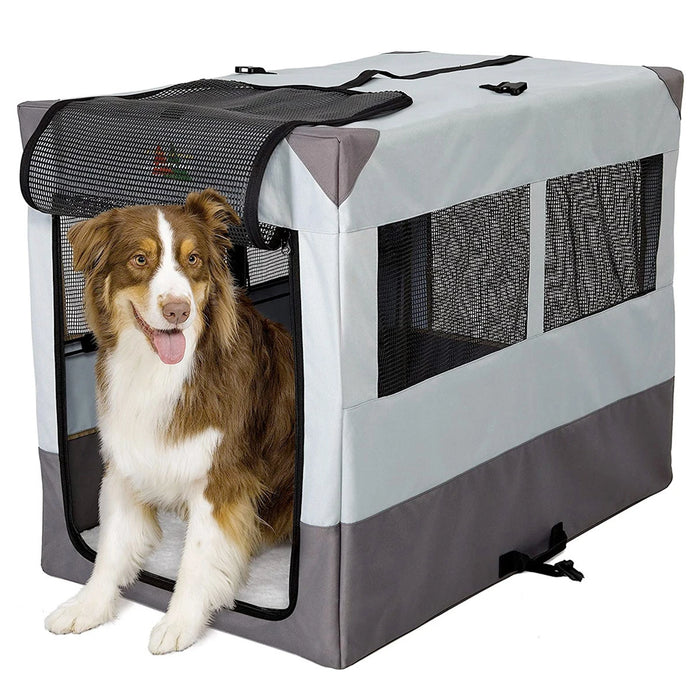
A shaded, ventilated rest spot helps more than any gadget, and beds and crates are in the dog supplies range.
The test that matters: does it settle? Normal panting resolves when the cause is removed. Panting that continues in a cool, quiet room after rest is the kind to act on.
Heatstroke: The Emergency to Know
This is the section worth reading before you need it.
Heatstroke happens when a dog produces or absorbs heat faster than it can shed it. Panting is the cooling system, and when panting cannot keep up, body temperature climbs to a level that damages organs.
Signs that need a vet immediately:
- Heavy, frantic panting that does not ease with rest and shade
- Thick drooling or excessive saliva
- Bright red or very pale gums
- Unsteadiness, stumbling or weakness
- Vomiting or diarrhea, sometimes with blood
- Confusion, unresponsiveness or collapse
- Seizures
Call your vet and go. Heatstroke progresses quickly, and a dog that looks like it is recovering can still have internal damage that needs treatment.
What to do on the way
- Move the dog into shade or air conditioning immediately
- Offer small amounts of cool water if the dog is conscious and able to drink
- Wet the coat with cool water, focusing on the belly, armpits, groin and paws
- Use airflow, a fan or an open car window, since moving air speeds evaporation
- Do not use ice-cold water or ice baths, which can constrict surface blood vessels and slow heat loss
- Do not force water into an unconscious or semi-conscious dog
- Go to the vet anyway, even if the dog seems better
Cooling is something you do on the way to the vet, not instead of going. That distinction matters, because improvement at the roadside is not the same as being out of danger.
Why Dogs Pant So Much in This Climate
The UAE makes several ordinary situations riskier than they look.
- Pavement heat, which stays dangerous long after the air feels tolerable. If you cannot hold the back of your hand on it, it is too hot for paws
- Cars, which heat up quickly even in shade and with windows cracked. Never leave a dog in one
- Humidity near the coast, which reduces how well panting works
- Air-conditioned homes, which mean dogs are not acclimatized when they step outside
- Midday walks, which are the single most common avoidable risk
Practical adjustments
- Walk early morning or late evening, and keep midday outings brief
- Check the ground with your hand before setting off
- Carry water on every walk, not just long ones
- Rest in shade regularly rather than pushing through
- Keep a cool, ventilated rest spot at home, away from direct sun
- Watch the humidity, not just the temperature
Our guide to owning a dog in Dubai covers how the climate shapes routines across the year.
Some breeds cope with this far better than others, which is worth knowing before choosing one. Our guide to the best dog breeds for Dubai covers that.
Flat-Faced Breeds Need Extra Care
Brachycephalic breeds, the flat-faced ones, are at considerably higher risk, and it is worth understanding why rather than just being told to be careful.
Panting works by moving air across a long, moist airway. Flat-faced dogs have compressed airways, often with narrowed nostrils and excess soft tissue, so the same panting effort shifts far less heat. They also tend to work harder to breathe at rest.
If you have one of these breeds, treat every heat guideline as stricter: shorter walks, cooler times of day, more rest, and a much lower threshold for calling a vet about heavy panting.
Noisy breathing, snorting or gagging that is new or getting worse is a veterinary conversation rather than a breed quirk to accept.
Panting That Is Not About Heat
This is the part most articles skim, and it is where the useful diagnosis usually lives.
| Cause | What it looks like | What to do |
|---|---|---|
| Pain | Panting at rest, restlessness, reluctance to settle or be touched | Vet appointment |
| Anxiety or fear | Panting with pacing, trembling, drooling, hiding, often tied to an event | Manage the trigger; discuss with a vet if frequent |
| Heart problems | Panting with coughing, tiring quickly, breathlessness after mild effort | Vet, promptly |
| Respiratory problems | Noisy or laboured breathing, coughing, blue-tinged gums | Urgent vet |
| Poisoning | Sudden panting with vomiting, tremors, drooling or agitation | Emergency vet immediately |
| Medication side effect | Panting that started after a new medication | Ask the prescribing vet |
| Obesity | Panting after mild activity, poor heat tolerance | Weight plan with a vet |
| Older age | Gradually increased panting, sometimes with restlessness at night | Vet check, since several conditions present this way |
The pattern worth remembering: a dog panting in a cool, calm room with no recent exercise is telling you something. Heat explains panting outdoors. It does not explain panting at 2 am on the kitchen floor.
Anxiety panting

Stress panting usually comes with other signals: pacing, yawning, lip licking, trembling or an inability to settle.
Common triggers include fireworks, thunder, building work, car travel, visitors, vet visits and being left alone. The panting is a symptom, so the fix is addressing the trigger rather than the breathing.
- Give a quiet retreat, somewhere enclosed and away from the noise
- Stay calm yourself, since dogs read tension quickly
- Do not punish it, which adds fear to an already frightened dog
- Keep routine steady, because predictability lowers baseline stress
- Talk to a vet if anxiety is frequent or severe, since there are real options
Beds and resting spots are in the dog supplies range.
When to Call a Vet
Short version, because this is what people need at the moment they are worried.
Call immediately for:
- Panting with collapse, confusion or seizures
- Gums that are bright red, pale, white or blue-tinged
- Suspected heatstroke, even if the dog seems to be improving
- Noisy, laboured or obviously difficult breathing
- Panting after possible poisoning
Book an appointment for:
- Panting at rest in a cool room, repeatedly
- A change in normal panting pattern without an obvious cause
- Panting with coughing or reduced exercise tolerance
- Night-time restlessness and panting in an older dog
- Panting that started with a new medication
What helps the vet: when it started, what the dog was doing, how long it lasts, whether gums look normal, and any other changes in appetite, drinking or toileting.
Everyday Things That Help
None of this treats a medical problem, but it reduces avoidable panting.
- Fresh water always available, indoors and on walks
- Shade and airflow wherever your dog rests
- Healthy weight, since excess weight reduces heat tolerance noticeably
- Grooming, because a matted coat traps heat against the skin
- Timing walks around the heat rather than the clock
- Rinsing after the beach, since salt left on the coat irritates skin
On coat care, do not shave a double-coated dog to cool it down. That coat insulates in both directions and protects skin from sun, and our guide on how often to bathe a dog covers why deshedding is the better approach.
If your walks include the shoreline, our dog beach guide covers the rinse routine and timing.
Rule out the simple things
Skin irritation makes dogs restless, and restlessness looks like panting. Parasites are a common and easily missed cause, and our guide on how dogs pick up fleas covers prevention.
Persistent itching alongside panting may point at skin problems rather than heat, and diet is often part of that picture. Our guide on dog food for skin issues covers it.
About Woofy
We are a licensed Dubai business operating from Dubai Industrial City, registered under DET licence 1558950 and Dubai Chamber of Commerce membership 645603. More about us is on our story page.
We sell pet food and supplies. Nothing here replaces veterinary advice, and suspected heatstroke is an emergency that needs a vet rather than home management.
What Woofy Customers Say
These are real Google reviews from customers who have ordered from us:
Khaled Haridi praised the customer service and the care taken with packaging, and noted that delivery was fast.
Gee B noted the order arrived much faster than expected, with everything packed neatly and in perfect condition.
Both cover the ordering and delivery experience rather than any particular product.
Final Thoughts on Why Dogs Pant So Much
Panting is normal, and it is the main way your dog stays cool. The thing to watch is not whether it pants but whether the panting settles.
Learn the heatstroke signs before you need them, because that is an emergency where minutes matter and recognizing it early changes the outcome.
And treat panting at rest as a question rather than a quirk. Heat explains panting on a walk. It does not explain panting in a cool room at midnight.
Setting up a cooler rest spot? Browse the dog supplies range for beds and crates, or the full dog range for food and everyday essentials.
Questions about feeding a dog that struggles in the heat? Talk to our team.