
 Whatsapp Us

Ask five people, and you will get five answers, ranging from weekly to rarely. Both extremes are wrong for most dogs.
The honest answer to how often should you bathe a dog is that it depends on three things: the coat, the skin, and what the dog actually does all day. A short-coated dog that sleeps indoors needs a fraction of the washing a long-coated dog that swims does.
This guide gives frequency by coat type, the signs you are washing too much or too little, how to bathe properly so the coat benefits, and when bathing is a vet matter rather than a grooming one.
Most healthy dogs do well on roughly monthly baths, with wide variation either side. Coat type moves that figure more than anything else.
Over-washing is the more common mistake. It strips the natural oils that keep skin comfortable and the coat water-shedding, and it produces the dry, itchy coat owners then try to fix with more washing.
Brushing between baths does more for cleanliness than the baths do. It lifts dirt and dead hair and spreads oils along the coat.
Never use human shampoo. Dog skin and human skin differ, and products made for people can leave skin dry and irritated.
Rinse for longer than feels necessary. Residue is the leading cause of itching a day or two after a bath.
How Often Should You Bathe a Dog by Coat Type?
Use this as a starting point, then adjust to your own dog.
| Coat type | Typical bathing frequency | What matters more |
|---|---|---|
| Short and smooth | Every one to three months, or when dirty | Weekly brushing and a wipe-down after walks |
| Double coated | Every two to three months, more during heavy shedding | Frequent brushing to clear the undercoat |
| Curly or woolly | Roughly every three to six weeks, alongside trims | Brushing to the skin, since these coats mat easily |
| Long and silky | Every three to four weeks | Daily attention to friction points and tangles |
| Wire coated | Every two to three months | Hand-stripping or trimming rather than washing |
| Hairless breeds | Often weekly, since skin oils build up directly | Gentle products and sun protection |
The rule that beats the table: bathe when the dog is dirty, smells, or has been somewhere that needs rinsing off. A clean dog does not need a bath because a month has passed.
What changes the number
- Skin conditions, where a vet may prescribe more frequent medicated washing than any general guide suggests
- Allergies, where rinsing can remove pollen and dust from the coat
- Swimming, since salt and chlorine both irritate skin if left on
- Outdoor access, which brings dirt, sand and whatever the dog rolled in
- Age, since older dogs groom themselves less and may need more help
- Household allergies, where regular rinsing reduces dander in the home
Signs You Are Bathing Too Often

This is the mistake most owners make, and it is self-reinforcing: a stripped coat looks dull and smells faster, so people wash again.
- Flaky or dandruffy skin
- Scratching that starts after bath day rather than before
- A dull coat that has lost its natural shine
- Dry, brittle hair that breaks rather than bends
- The dog getting dirty faster, because the oil layer that repels dirt is gone
- Redness or irritation in the folds and armpits
If you recognize several of these, stretch the interval and brush more. Most coats recover within a few weeks.
Signs you are not bathing enough
- A persistent smell that returns quickly after brushing
- Greasy or sticky coat to the touch
- Visible dirt at the skin when you part the coat
- Debris trapped in the undercoat
- Itching that improves after a wash rather than starting with one
The useful distinction: itching that appears after bathing usually points to residue or over-washing. Itching that eases after bathing points to something on the coat that needed removing.
How to Bathe a Dog Properly
Method decides whether a bath helps or causes the itching it was meant to fix.
- Brush first. Washing a matted or dirty coat drives dirt in and tightens mats
- Use lukewarm water, not hot. What feels pleasant to you is usually too warm for a dog
- Wet thoroughly, starting at the shoulders and working back. Dense coats take longer to soak than they look
- Dilute the shampoo if the label says to, which most concentrates do
- Work it into the skin, not just over the surface hair
- Keep it away from eyes and ears. A damp cloth is safer for the face
- Rinse, then rinse again. Keep going until the water runs completely clear
- Towel dry, then air or blow dry on a cool setting, making sure the undercoat is dry
The places people under-rinse
- Under the collar area and around the neck ruff
- The armpits and groin, where skin is thin, and residue irritates fastest
- Behind the ears
- Between the toes and the pads
- The base of the tail
A damp undercoat is its own problem. Leaving a thick coat wet at the skin creates the warm, damp conditions that cause hot spots, so dry properly rather than assuming air will do it.
Choosing What to Wash With
The product matters less than frequency and rinsing, but the wrong one undoes both.
- Use a dog shampoo. Human skin and dog skin differ, and human products can leave skin dry and sore
- Match it to the dog. Gentle or oatmeal formulas for sensitive skin, deodorizing for dogs that genuinely smell, puppy formulas for puppies
- Be wary of heavy fragrance, which adds nothing and can irritate
- Check the dilution rate. Concentrates are better value and easier to rinse than neat products
- Medicated shampoos are a vet decision, including how long to leave them on
Dog shampoos and coat products are in the grooming range.
Puppies are different
Wait until your vet is happy the puppy is old enough, use a tearless puppy formula, and keep the first few baths short and warm. A frightening first bath makes every later one harder.
Our guide on raising puppies here covers the early routine, including handling that makes grooming easier later.
After the Bath
Two things are worth checking while the coat is clean and you have your hands on the dog.
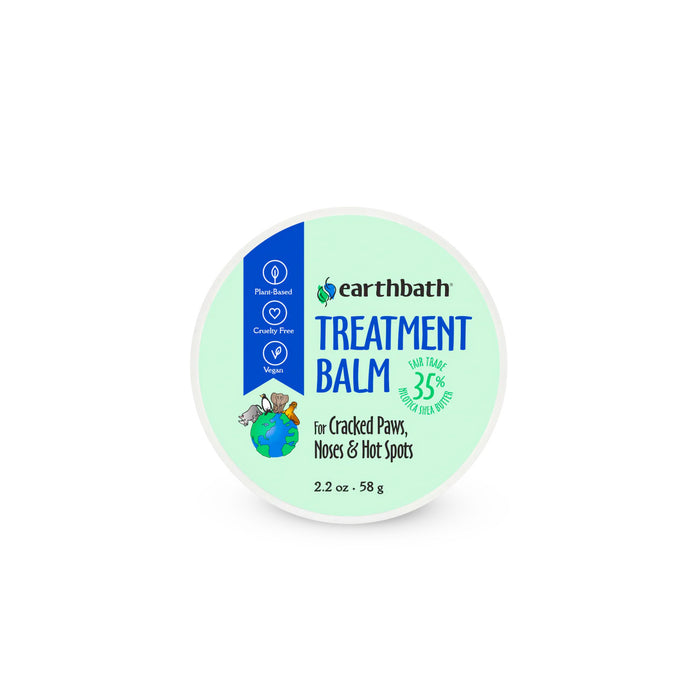
Skin. Redness, scabs, lumps and sore patches are far easier to find on a clean, damp coat than a dusty one. Paw pads and noses also show wear here, and a balm helps with dryness and cracking.
Parasites. Bathing does not prevent fleas or ticks, and no shampoo replaces proper prevention. Flea dirt appears as dark specks that smear reddish-brown when damp, which a bath makes obvious.
Our guide on how dogs pick up fleas explains why the environment matters as much as the animal.
Skin and paw care products are in the pet care range.
Bathing in a Hot Climate
Heat changes the calculation, and the UAE is a clear example.
- A rinse is not a bath. Plain water after a walk or the beach can be frequent without stripping the coat
- Rinse after sea or pool swims. Salt and chlorine irritate skin if left to dry in
- Dry the undercoat properly, since a damp coat in heat encourages hot spots
- Bathe early or late, and never leave a wet dog in direct sun
- Do not shave a double coat to keep a dog cool. That coat insulates in both directions and protects skin from sun
Our dog beach guide covers the rinse routine after salt water and why the itching often shows up two days later.
Timing walks and washes around the heat becomes second nature here. Our guide to owning a dog in Dubai covers how the climate shapes routines generally.
Brushing Does More Than Bathing
If you only change one habit, change this one.
Brushing lifts dirt and dead hair, spreads natural oils down the hair shaft, prevents the matting that forces early baths, and gives you a regular look at the skin underneath.
A dog brushed several times a week stays cleaner between baths and needs fewer of them, which is the opposite of what most owners assume.
For heavy shedders, our guide on reducing dog shedding covers what works and what does not.
If tangles have already formed, do not bathe first. Water tightens mats and makes them much harder to remove. Our guide on removing matted dog hair covers what is safe to attempt at home.
When Bathing Is a Vet Question
Some situations are not solved by choosing a better shampoo.
- Persistent itching that continues regardless of bathing frequency
- Hair loss, scabs or open sores
- A strong smell that returns within days of a proper wash, which can indicate a skin or ear infection
- Greasy, flaky skin that does not respond to routine care
- Red, inflamed patches appearing quickly, which may be hot spots
Smell in particular is worth taking seriously. A dog that genuinely smells a few days after a thorough bath usually has something going on rather than a grooming problem.
Diet plays a part in skin and coat health too, and a dog reacting to something it eats will not be fixed by any shampoo. Our guide on dog food for skin allergies covers that side.
Bathing, brushing, parasite prevention and diet all pull in the same direction. Our guide on why routine pet care matters covers how they fit together.
About Woofy
We are a licensed Dubai business operating from Dubai Industrial City, registered under DET licence 1558950 and Dubai Chamber of Commerce membership 645603. More about us is on our story page.
We sell pet food and supplies, including dog shampoos and coat care. Nothing here replaces veterinary advice, and anything involving sore skin, hair loss or persistent itching is a vet matter rather than a grooming one.
What Woofy Customers Say
These are real Google reviews from customers who have ordered from us:
Gee B noted the order arrived much faster than expected, with everything packed neatly and in perfect condition.
Khaled Haridi praised the customer service and the care taken with packaging, and noted that delivery was fast.
Both cover the ordering and delivery experience rather than any particular product.
Final Thoughts on How Often You Should Bathe a Dog
Start from the coat, adjust for the skin and the lifestyle, and let dirt and smell decide rather than the calendar. Roughly monthly suits many dogs, and plenty need far less.
If you are unsure, err toward less. Over-washing causes more problems than under-washing, and the damage takes weeks to undo.
And brush more than you bathe. It keeps the coat cleaner, prevents the matting that forces early baths, and gives you a regular look at the skin underneath.
Restocking on coat care? Browse the dog range for shampoos, brushes and aftercare.
Not sure which shampoo suits your dog's coat or skin? Talk to our team.