
 Whatsapp Us

The saucer of milk is one of the most persistent images in popular culture, and one of the least accurate.
Can cats drink milk without it causing problems? Most adult cats cannot, at least not cow's milk. They lose the ability to digest lactose after kittenhood, so the classic saucer usually leads to an upset stomach rather than a happy cat.
This guide covers why that happens, what the symptoms look like, what you can safely offer instead, and the one situation where milk is genuinely dangerous rather than just uncomfortable. If you want the short version, the cat range includes a lactose-free pet milk made for the job.
Most adult cats are lactose intolerant. Kittens produce the enzyme that digests milk sugar, and production drops off after weaning.
Cow's milk is not toxic, but it commonly causes diarrhea, gas and stomach discomfort within hours.
Cats like milk for the fat and protein, not the lactose. That is why they want it even when it disagrees with them.
Lactose-free pet milk exists and is a safe way to give a cat a milk treat. Keep it occasional and small.
Never give cow's milk to an orphaned kitten. Kittens need a proper kitten milk replacer, and cow's milk can leave them malnourished.
Why Most Cats Cannot Digest Milk
It comes down to one enzyme.
Kittens produce lactase, which breaks down the lactose in their mother's milk. Once they are weaned onto solid food, lactase production declines because there is no longer any reason for the body to make it.
In an adult cat, undigested lactose passes into the large intestine, ferments, and draws water in. That produces the gas, bloating and diarrhea people see a few hours after a well-meant saucer of milk.
Some cats tolerate it better than others. A small amount may cause nothing visible in one cat and obvious upset in another. Tolerance does not mean it is doing any good, though.
Signs of lactose intolerance in cats
- Loose stools or diarrhea, usually within eight to twelve hours
- Gas and abdominal discomfort
- Vomiting in some cats
- A bloated or tender belly
- Reduced appetite for normal food afterward
Most cases settle on their own within a day. Persistent diarrhea, blood in stools, repeated vomiting or lethargy is a vet matter, particularly in kittens and older cats where dehydration comes on faster.
So Why Do Cats Want Milk?
Because it tastes good, not because it is good for them.
Cats are drawn to the fat and protein in milk, and full-fat milk in particular. They cannot taste lactose and have no way of knowing it will disagree with them, so enthusiasm at the saucer tells you nothing about whether it is suitable.
This is worth remembering generally. A cat wanting something is not evidence that it is safe, which is equally true of several human foods.
What Cats Can Drink Instead
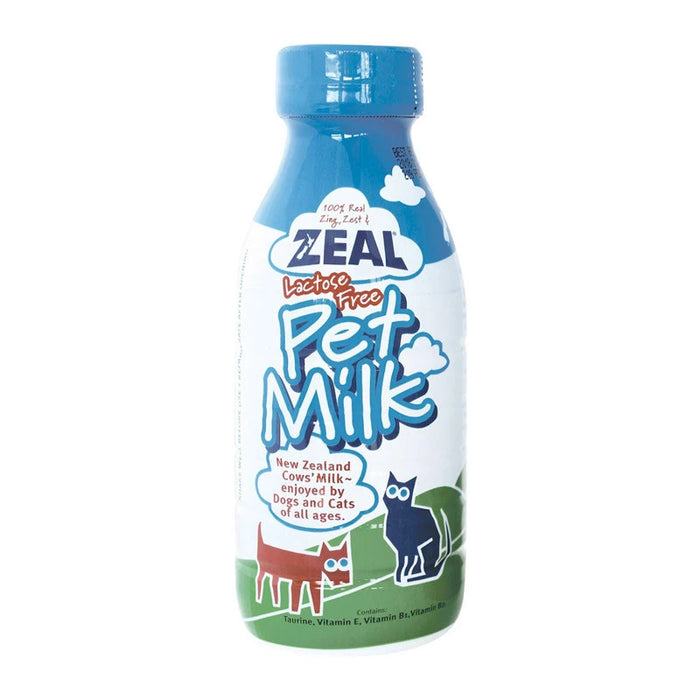
There is a straightforward answer here, and it is not cow's milk.
Lactose-free pet milk is made for cats and dogs, with the lactose removed so it can be digested without the usual consequences. It keeps the taste cats are actually after, made from cow's milk with the lactose taken out.
Treat it as a treat rather than a drink. It still carries calories, so it counts toward the daily total in the same way a snack does.
What about other milks?
| Type | Suitable? | Why |
|---|---|---|
| Cow's milk | No | Lactose causes digestive upset in most adult cats |
| Lactose-free pet milk | Yes, occasionally | Made for cats, lactose removed. Still a treat, not a drink |
| Goat's milk | Not really | Lower in lactose than cow's milk but still contains it |
| Almond, oat or soy milk | No | Not formulated for cats, often sweetened, offers nothing useful |
| Kitten milk replacer | For kittens only | Formulated for growth. Not needed by healthy adult cats |
| Water | Always | The only thing a cat genuinely needs to drink |
Be careful with anything sweetened. Plant milks often contain added sugar or flavorings, and some sugar-free products contain sweeteners that are unsuitable for pets.
Kittens Are a Different Question
This section matters most, because getting it wrong causes real harm.
Kittens can digest their mother's milk. They cannot thrive on cow's milk, which does not match the nutritional profile they need for growth.
If you are hand-rearing an orphaned kitten, use a proper kitten milk replacer, not cow's milk. Cow's milk leaves kittens underfed on the nutrients they need while also upsetting their digestion, and a kitten with diarrhea dehydrates quickly.
- Get veterinary advice early with any orphaned kitten, ideally the same day
- Use a kitten formula made for the purpose, prepared exactly as directed
- Feed little and often, following the schedule your vet sets for the kitten's age
- Never force milk into a kitten that is cold, which is a common and serious mistake
- Weigh daily, since steady weight gain is the clearest sign it is working
Once weaning starts, kittens move onto solid kitten food and stop needing milk at all. Our guide to cat adoption in Dubai covers the early weeks with a new cat, including when to involve a vet.
Water Is What Actually Matters
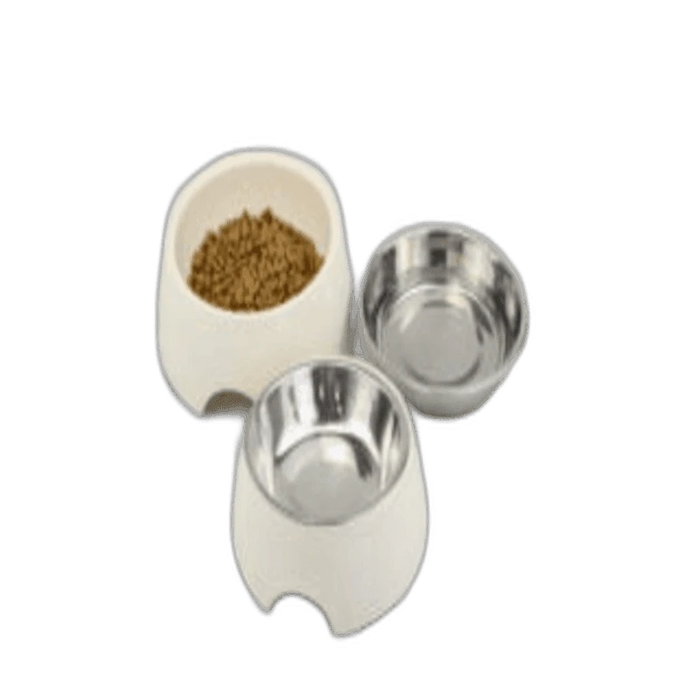
Milk is a distraction from the real issue, which is that many cats do not drink enough water.
Cats descend from desert animals and have a weak thirst drive. In a hot climate, with air conditioning drying the air further, that matters more than it does elsewhere.
- Several water bowls in different rooms, away from food and the litter tray
- Wide, shallow bowls, since many cats dislike their whiskers touching the sides
- Stainless steel or ceramic rather than plastic, which can hold odors and scratch
- Fresh water daily, changed rather than topped up
- A fountain, since moving water encourages some cats to drink more
- Wet food, which delivers water as part of the meal
Watch for changes. A cat that suddenly starts drinking much more than usual needs a vet, since increased thirst can indicate kidney disease, diabetes or thyroid problems. That is a more important signal than whether your cat likes milk.
Signs of dehydration
- Lethargy and reduced interest in food
- Dry or tacky gums
- Sunken-looking eyes
- Skin that is slow to settle when gently lifted at the shoulders
- Reduced urination, noticeable when scooping the tray
Dehydration escalates quickly in cats. If several of these appear together, treat it as urgent.
If Your Cat Has Already Had Milk
Do not panic. Milk is not toxic, so a saucer is uncomfortable rather than dangerous for most adult cats.
- Remove the milk and offer fresh water instead
- Watch for the next twelve hours or so for loose stools or vomiting
- Keep food normal, rather than withholding it or changing it
- Make sure water is easy to reach, since diarrhea loses fluid
- Call a vet if diarrhea persists beyond a day, if there is blood, or if the cat becomes lethargic
Kittens, elderly cats and cats with existing health conditions should be watched more closely, since they dehydrate faster than a healthy adult.
Where Milk Fits in a Cat's Diet
Nowhere essential is the honest answer.
A complete cat food provides everything a cat needs, including taurine, which cats cannot make in sufficient quantity themselves. Milk adds calories and a little protein and fat, but nothing that a proper diet is missing.
If you enjoy giving your cat a treat, lactose-free pet milk in a small amount is a reasonable way to do it. Just count it as a treat rather than thinking of it as nutrition.
For choosing the food that does the actual work, our guide to the best cat food covers what to compare on a label.
If your cat has a sensitive stomach
Skip milk entirely, including the lactose-free kind. A cat that reacts to dietary changes does not need another variable introduced.
Our guide on cat food for sensitive stomachs covers what to look for on a label.
If you suspect a genuine food reaction rather than ordinary sensitivity, that needs a structured approach over weeks. Our guide on hypoallergenic cat food covers it.
Other Drinks People Ask About
- Tea and coffee: no. Caffeine is toxic to cats
- Alcohol: no, in any amount
- Juice: no useful purpose, and often high in sugar
- Tuna water: occasionally, in small amounts, as a way to encourage drinking. Choose spring water rather than brine, since salt is the concern
- Broth: only if made for pets or free of onion, garlic and salt, all of which are unsuitable
- Tap water: generally fine. Some cats prefer filtered, which is about taste rather than safety
Onion and garlic deserve the warning. They appear in most human stocks and broths and are toxic to cats, so a homemade broth is not a safe shortcut unless you made it specifically for the cat.
About Woofy
We are a licensed Dubai business operating from Dubai Industrial City, registered under DET licence 1558950 and Dubai Chamber of Commerce membership 645603. More about us is on our story page.
We sell pet food and supplies, including lactose-free pet milk. Nothing here replaces veterinary advice, and anything involving an orphaned kitten or a dehydrated cat is a vet matter rather than something to manage at home.
What Woofy Customers Say
These are real Google reviews from customers who have ordered from us:
Najma Sharaf described the range of pet food and supplies as good quality, said products arrived authentic and well packaged, and found the ordering process smooth.
Gee B noted the order arrived much faster than expected, with everything packed neatly and in perfect condition.
Both cover the ordering and delivery experience rather than any particular product.
Final Thoughts on Cats and Milk
The saucer of milk is a charming image and a poor idea. Most adult cats cannot digest lactose, and the result is an upset stomach rather than a treat.
If you want to give your cat something special, lactose-free pet milk does the job without the consequences. Keep it small and occasional.
And put the effort into water instead. Getting a cat to drink enough does far more for its long-term health than any milk ever will.
Looking for a safe treat? Browse the cat range, or the cat food range for the diet that does the real work.
Not sure what suits a cat with a sensitive stomach? Talk to our team.